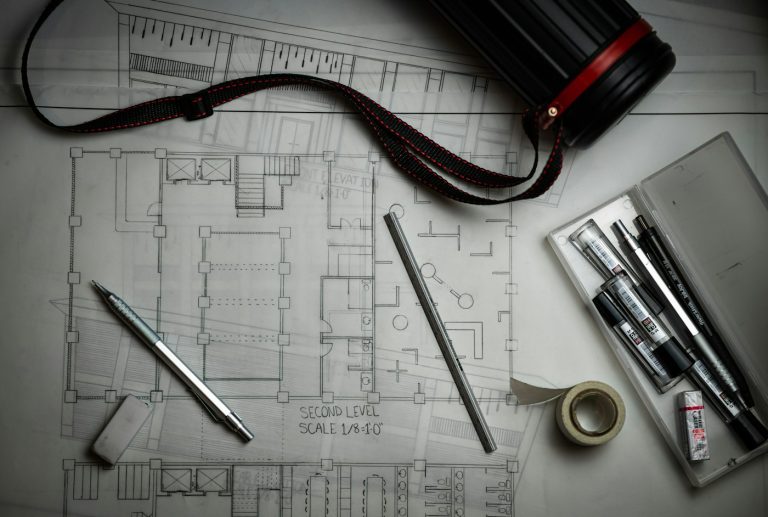

For many residential contractors, growth arrives unevenly. Three new projects land at once, the permit queue fills up, and suddenly the production bottleneck is not labor in the field—it is drafting capacity.01
01Know the cost of the queue
An overloaded drawing queue affects more than delivery dates. It delays deposits, pushes start dates into bad weather, creates rushed reviews, and pulls senior staff away from work only they can do.
Track backlog in days, not just project count. A five-project queue can be manageable or dangerous depending on scope, review cycles, and the amount of information still missing.02
02Use an elastic team
A dedicated outsourced team gives you a consistent workflow without requiring every hour to sit on payroll. The key is continuity: shared standards, repeatable file organization, known reviewers, and clear turnaround expectations.
Start with one defined project type. Once the handoff and quality-control rhythm are proven, expand the scope rather than changing everything at once.
Good documentation does not slow construction down. It removes the questions that do.