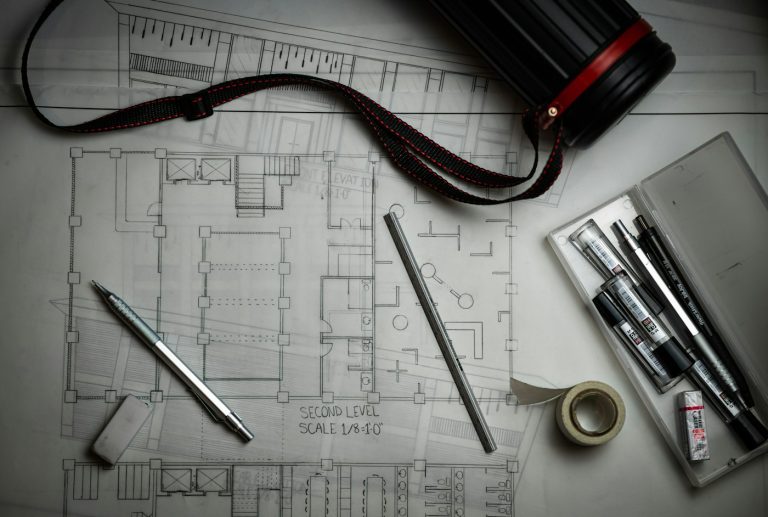

Most review delays are predictable. When structural intent is visible and the documentation is coordinated, reviewers can move through a set with fewer interruptions and greater confidence.01
01Show the complete load path
Every gravity and lateral load needs a continuous route to the foundation. Plans should make that route easy to follow through member tags, connection references, and aligned details.
Do not make the reviewer infer a critical condition. If a connection carries meaningful load or differs from a typical detail, show it directly.02
02Treat comments as workflow data
A review comment is not just a one-project correction. Categorize recurring comments by jurisdiction and project type, then fold those lessons into templates and internal checklists.
Over time, this creates a practical code library shaped by the actual questions reviewers ask.
Good documentation does not slow construction down. It removes the questions that do.